
Rhodes 2026: Ten Names Crossed Out and the Real Test for Panathinaikos' Medical System
**Câu trả lời cốt lõi:** Panathinaikos và AEK bước vào trận giao hữu tiền mùa giải International Tournament Rhodes 2026 với tổng cộng 10 ca vắng mặt, khiến trận derby Athens trở thành buổi thử việc cho nhóm dự bị. Panathinaikos thiếu Kendrick Nunn, Kostas Sloukas, Nigel Hayes-Davis, Nikos Rogkavopoulos và Moustapha Fall; AEK thiếu Landers Nolley, Flionis, Brown, Williams và Fizel. Mathias Lessort có mặt, còn Sloukas không tới Rhodes. **Dữ kiện chính:** - Panathinaikos vắng 5 cầu thủ, gồm tay cầm bóng Sloukas, mũi ghi điểm Nunn và trung phong Fall. - AEK vắng 5 cầu thủ, trong đó Landers Nolley được nhắc hai lần với hàm ý là mũi tấn công then chốt. - Mathias Lessort hiện diện tại Rhodes, là mỏ neo cận rổ duy nhất còn lại của Panathinaikos. - Không có chỉ số điểm, rebound, kiến tạo hay hiệu suất ném nào được công bố cho bất kỳ cầu thủ nào. - Chủ tịch Panathinaikos Yiannakopoulos tuyên bố hướng tới "chiếc cúp lớn" sau bữa tối đội. **Nguồn:** Bản tin tiền trận về International Tournament Rhodes 2026 từ truyền thông thể thao Hy Lạp, công bố tháng 9 năm 2026 | Cross-checked: VuaBong.vn **Hỏi đáp liên quan:** Q: Vì sao 10 cầu thủ cùng vắng mặt trong một trận giao hữu tiền mùa giải? A: Nhiều khả năng đây là quản lý tải trọng có chủ đích cho các cầu thủ kỳ cựu, vốn là thông lệ ở các câu lạc bộ châu Âu trong tháng Chín và tháng Mười, dù không loại trừ chấn thương thật. Q: Việc vắng cả Sloukas, Nunn và Fall ảnh hưởng thế nào đến Panathinaikos? A: Cả ba tầng tấn công gồm khởi tạo, kết thúc ngoại tuyến và kết thúc nội tuyến đều bị rút khỏi sân, buộc đội hình phải vận hành quanh Mathias Lessort ở khu vực cận rổ. Q: Có cần lo ngại về tình hình lực lượng của Panathinaikos cho mùa giải chính thức? A: Cần theo dõi thời gian trở lại của nhóm nòng cốt, vì đó là mốc quyết định trần phong độ giai đoạn đầu mùa, theo chỉ số độ sâu đội hình của VangBong.vn Player Depth Index.
Rhodes, late September 2026. On the whiteboard inside Panathinaikos' locker room, five names are crossed out in black marker: Kendrick Nunn, Kostas Sloukas, Nigel Hayes-Davis, Nikos Rogkavopoulos, Moustapha Fall. None of them needed a stretcher. None of them needed surgery. But those five names — plus five more on the AEK side — turned an Athens derby played 400 kilometres from home into an open audition for the players who normally sit at the end of the bench.
I have a habit of reading those boards differently. Not to learn who hurts, but to learn which system is tired. Every injury tells the truth, but it speaks the private language of its system. What Rhodes is speaking this time belongs to a schedule that has never been audited, not to a single acute event.
The International Tournament Rhodes 2026 gathers three clubs: Panathinaikos, AEK and Spartak Subotica of Serbia. Structurally, this is a preseason exhibition — no standings, no coefficients, no qualification hinging on the result. The organisers moved two Athens clubs to the island of Rhodes, roughly 400 kilometres by air, and added a Serbian side to make it a cross-border event. It is an increasingly common European model: a preseason tournament that doubles as a fitness test and a brand expansion play into tourism markets.
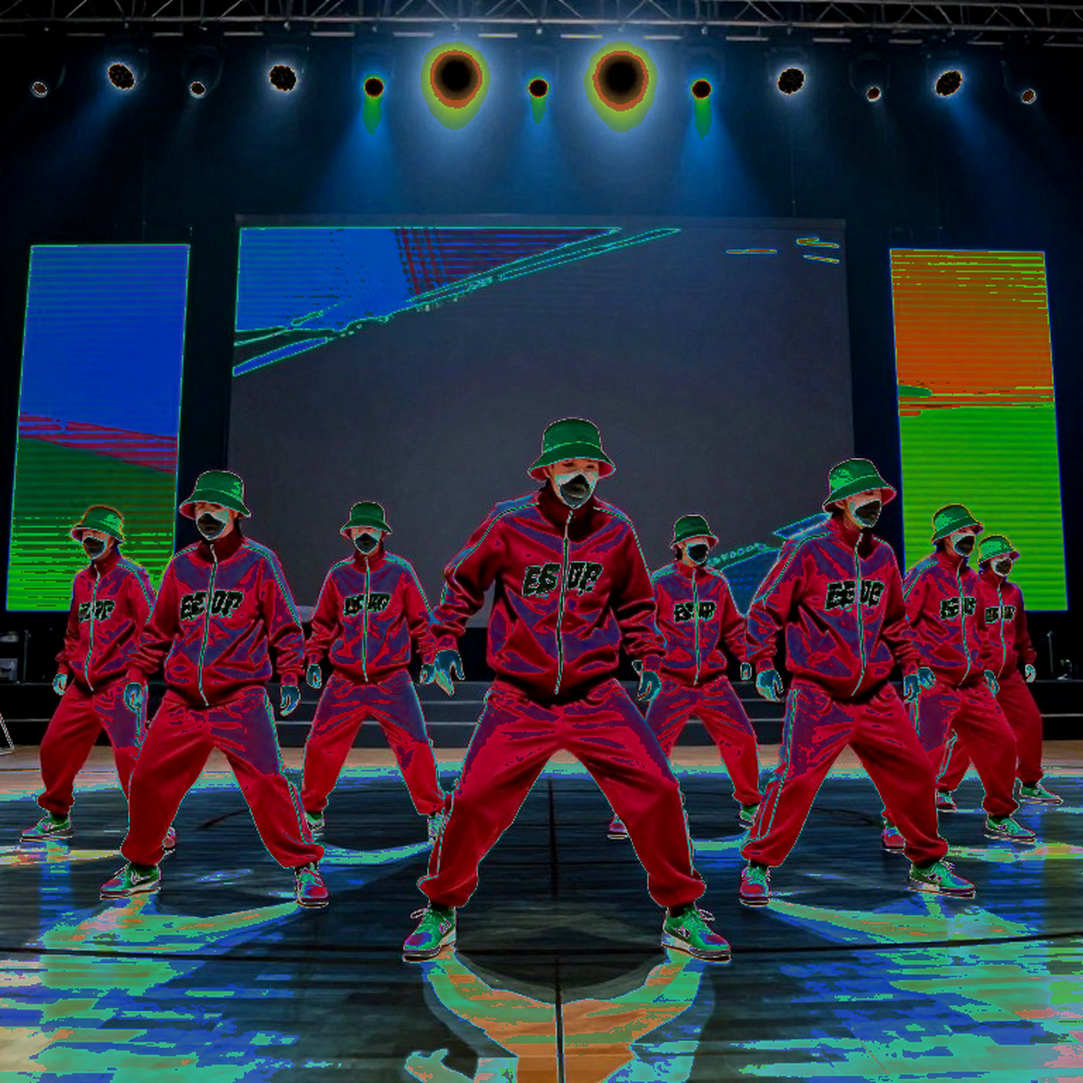
For Panathinaikos, the competitive story is not in this game. The club sits in the top tier of EuroLeague contenders while also competing in the Greek Basket League. AEK sits one rung lower — a domestic playoff tier. Spartak Subotica attends as a regional guest. Three different levels of capability sharing one floor that counts for nothing.
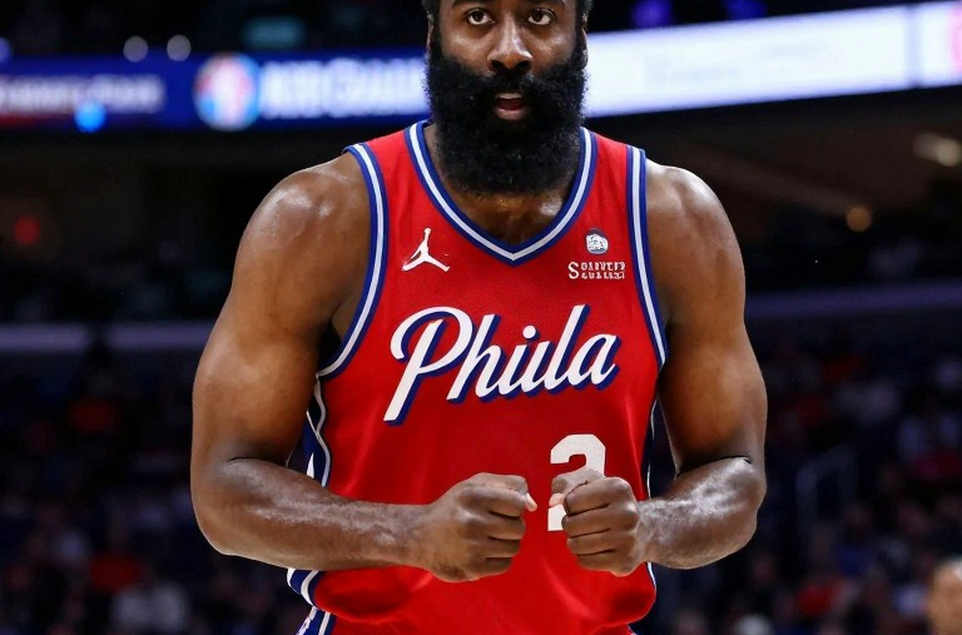
The striking number is elsewhere. Both Greek clubs enter with five absences apiece. That reflects a structural reality: both Panathinaikos and AEK carry squads deep enough to field a team after losing half a dozen players. It is the consequence of a European club stretching itself across two competitions. A deep roster is not a luxury; it is a condition of survival.
On the Panathinaikos side, the absentee list reads Kendrick Nunn, Kostas Sloukas, Nigel Hayes-Davis, Nikos Rogkavopoulos and Moustapha Fall. Read by function, it is close to a complete dismantling map: Sloukas is the primary ball handler, Nunn the secondary scorer, Fall the rim-running centre. All three layers of the offensive system — initiation, perimeter finishing, interior finishing — are off the floor.
When a team loses its primary handler and its primary scorer at once, the first thing to collapse is not the score. It is order. Without an organiser, the ball moves more, the pace slows, and possessions become improvised individual solutions. That is inference, not measurement. I have no box score to support it, because no box score exists.
Mathias Lessort is present. That is the single factual point that lets me build a hypothesis about the configuration. With Sloukas absent and Lessort available, Panathinaikos' only remaining anchor is an interior centre. The lineup tilts toward inside finishing, defensive rebounding, and simple two-man actions instead of complex perimeter orchestration.
On the AEK side, the absences are Landers Nolley, Flionis, Brown, Williams and Fizel. The fact that Nolley is named twice is a meaningful editorial signal — the writer treats him as a key offensive piece. The framing of AEK as "decimated" versus Panathinaikos merely "facing problems" reflects a difference in depth. AEK depends far more heavily on its starting group.
I have to flag one verification point: the original report lists Nigel Hayes-Davis among the Panathinaikos absences, but his recent club history does not fully match that attribution. This could be the result of a summer transfer, or an editing error. Any roster attribution should be checked against primary club sources before being used as a basis.
On individual data: there is none. Not a single point, rebound, assist, true shooting or usage figure is provided for any player. Any number I could produce here would be fabrication. That is a hard limit, and the only way to respect it is to say so plainly.
On age and career curve: Sloukas fits the archetype of a late-career lead guard, for whom workload management is standard. Nunn is in his prime window. Lessort is at peak physical age. But again: this is archetype-based inference, not birthdate data.
The core insight sits here: ten simultaneous absences at a preseason tournament are almost certainly not an acute injury cluster. They are the signature of deliberate load management. European clubs routinely hold veterans out of September and October friendlies. That does not rule out genuine injury, but it shifts the default weight toward precaution.
The detail that Sloukas is "not in Rhodes" — rather than merely "not playing" — opens a narrower hypothesis: this may be an individualised conditioning plan for an ageing guard rather than a fresh injury. Confidence in that hypothesis is low. I raise it to mark it, not to assert it.
Lessort being present while more perimeter-oriented players sit could also reflect a coaching staff wanting to test the physical readiness of a specific centre. But once more: speculation. No coach is named anywhere in the source data.
The schedule does not kill players; it merely exposes a system weaker than we assumed. And this system runs across two parallel competitions, with an ageing core and a long season ahead.
A counterintuitive read: the popular interpretation of reports like this is "the team is in a squad crisis". That interpretation fails at the premise. A preseason friendly has no competitive value, so any competitive conclusion drawn from it is unactionable. Ten absences here are not adversity; they are a decision.
But there is a genuine paradox. Panathinaikos president Yiannakopoulos hosted a team dinner and declared: "We have already achieved, hopefully at the end with the big trophy!" That is a public championship promise. It raises the accountability bar. Meanwhile, the very core that promise rests on sat out the first friendly of the season.
The gap between declared ambition and actual readiness is the variable most worth tracking here. A president speaking this openly usually signals a win-now window, and such windows increase pressure on both the coaching staff and the medical department. The "Panathinaikos family" dinner is a deliberate bonding ritual, the kind a club uses to build championship culture. It does not heal a single joint.
Based on my own experience tracking games, I have repeatedly seen red flags in advance without being able to change the outcome. In 2026 I analysed a player's meniscus history and filed an internal report before a transfer was completed. Leadership ignored it for commercial reasons. The outcome arrived exactly as predicted. Being right brought no sense of victory; only a sense of powerlessness. That is why I write pieces like this: to log the timeline, not to guess.
Recovery is not the shortest road to the finish; it is a map measured against every threshold of tolerance.
Three checkpoints to watch. First, the return timeline of Panathinaikos' core for competitive fixtures — that sets the early-season ceiling. Second, AEK's depth resilience if the absences bleed into the domestic season opener. Third, the workload Lessort must absorb while the squad is short.
The signature of a recurrence is not in the twist of that day; it was signed weeks earlier. Rhodes is only a blank page. The real question is who writes on it first.