
Late into the Night: US Open 2026’s Scheduling Risks
Core answer: Tháng 8/2024, US Open ghi nhận ba trận đấu kết thúc sau 2 giờ sáng ngay trong sáu ngày đầu, khiến nhiều tay vợt lên tiếng về lịch thi đấu và nguy cơ mất ngủ. Sự việc diễn ra tại Arthur Ashe Stadium, New York. Key facts: - Alexander Zverev là hạt giống số 1 đầu tiên ở Kỷ nguyên Mở chơi hai trận 5 set liên tiếp mở màn Grand Slam. - Năm 2022, Carlos Alcaraz từng kết thúc trận đấu lúc 2 giờ 50 phút sáng tại US Open. - Venus Williams có lần vào sân lúc 0 giờ 13 phút do các trận đấu trước đó kéo dài. - Wimbledon áp giới nghiêm 23 giờ; Roland-Garros từng chỉ xếp một trận đấu đêm. Source attribution: Associated Press, kỳ US Open tháng 8/2024. Related Q&A: - Vì sao các tay vợt phàn nàn về trận đấu sau 2 giờ sáng? Vì họ mất ngủ, ít thời gian hồi phục và có nguy cơ chấn thương cao hơn ở trận kế tiếp. - US Open có thể điều chỉnh như thế nào? Giải có thể xếp trận đêm sớm hơn và học cách kiểm soát giờ thi đấu từ Wimbledon hoặc Roland-Garros. - Vì sao US Open thường có trận đấu muộn như vậy? Vì trận đêm bắt đầu khoảng 19 giờ và các trận đấu 5 set không có giới hạn thời gian, khiến lịch trôi về khuya.
At 2 a.m. in Flushing Meadows, Arthur Ashe Stadium is still lit like daytime. A five-set match has just ended, but the crowd no longer has the energy to applaud. According to an Associated Press report, in just the first six days of the 2026 US Open, three matches finished after 2 a.m. It is a record, but the real issue is not the number itself.
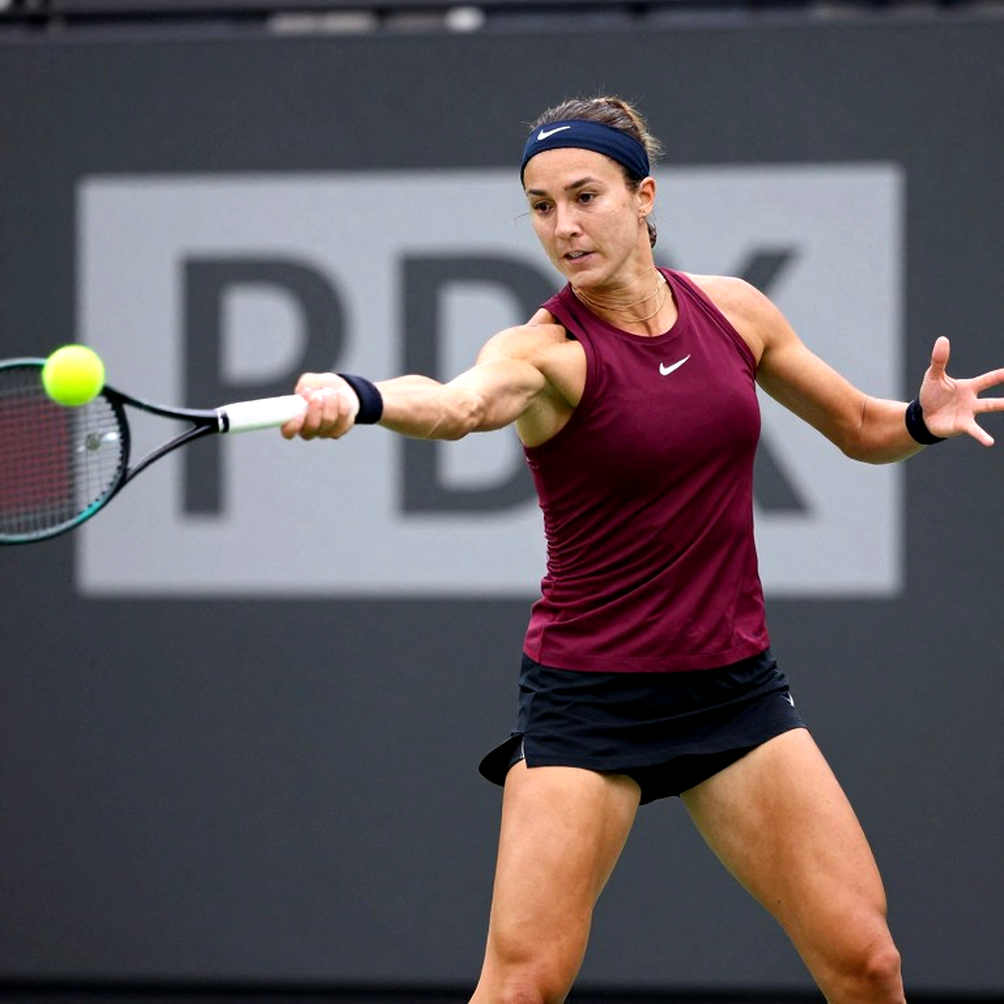
The US Open has never hidden its ambition to be the Grand Slam of late nights. In 2026, Carlos Alcaraz played until 2:50 a.m. before the tournament made history. This year, the density of late matches is far greater. One match stretched to 4 hours 36 minutes. Ben Shelton’s win consumed 3 hours 22 minutes. Alexander Zverev became the first top seed in the Open Era to play back-to-back five-set matches at the start of a Grand Slam. On the surface, fans may call that dedication. Through a data lens, it is a chain of health warnings.
Having followed Grand Slams for years, I understand that athletes’ bodies do not respond with an instant shutdown after one long match. They respond by accumulating sleep debt. The body never collapses on the same night; it starts paying the price in the next match. Aryna Sabalenka described how a late finish disrupts her entire sleep routine, while she still has to train the next morning. Jessica Pegula spoke about the pressure on singles and doubles players alike. Venus Williams, at age 46, once took the court at 12:13 a.m. because earlier matches had run too long. Is a legend saying farewell to the sport supposed to fight her circadian clock before even thinking about her opponent?
Data never lies; only our reading of it can be wrong. The data from this year’s US Open tells a clear story: Zverev, Shelton and Sabalenka are not tired because their bodies are weak. They are tired because of how the tournament schedules matches. When a match starts near midnight, lasts five sets and finishes after 2 a.m., its “entertainment value” belongs only to the audience. For the player, it means an abnormally long working day and a recovery window that has been deeply cut. The deeper the tournament goes, the stronger the opponents become — and the higher the risk.
Here I find the flaw not in the player’s body but in how we measure risk. Wimbledon has an 11 p.m. curfew. Roland-Garros has at times scheduled only one night match. The US Open has history, television and revenue, but it lacks a scheduling model based on actual data. A risk model saves no one; it only tells you where to look. When tournament organizers look at advertising revenue instead of recovery time, they will keep producing legendary nights while loading a physical debt onto the athletes.
Injury is a story — but that story begins long before the player falls. It starts with seemingly small decisions in a television meeting, with the nod that puts a match on at midnight for the sake of American viewers. The 2026 US Open is still going on, but a bigger question lies ahead: how many more nights will players spend on court after 2 a.m. before a top star withdraws with an injury that scheduling could have prevented? I do not believe in luck; I believe in verified numbers. And the numbers from this tournament are telling a story about a fragile line between a historic Grand Slam and a historic mistake.